Gutter Cleaning Hackettstown: Avoid Costly Exterior Home Repairs

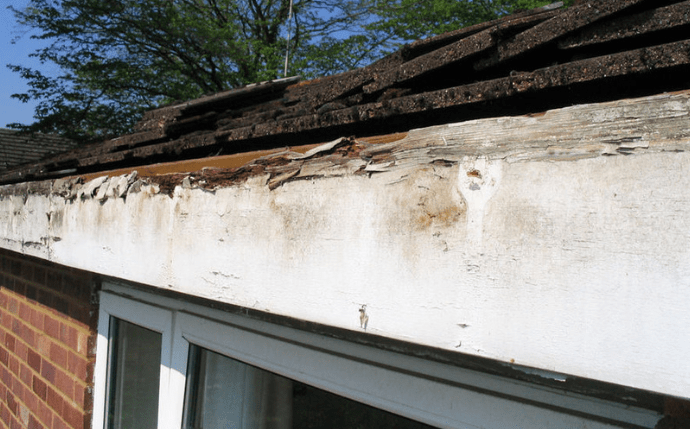
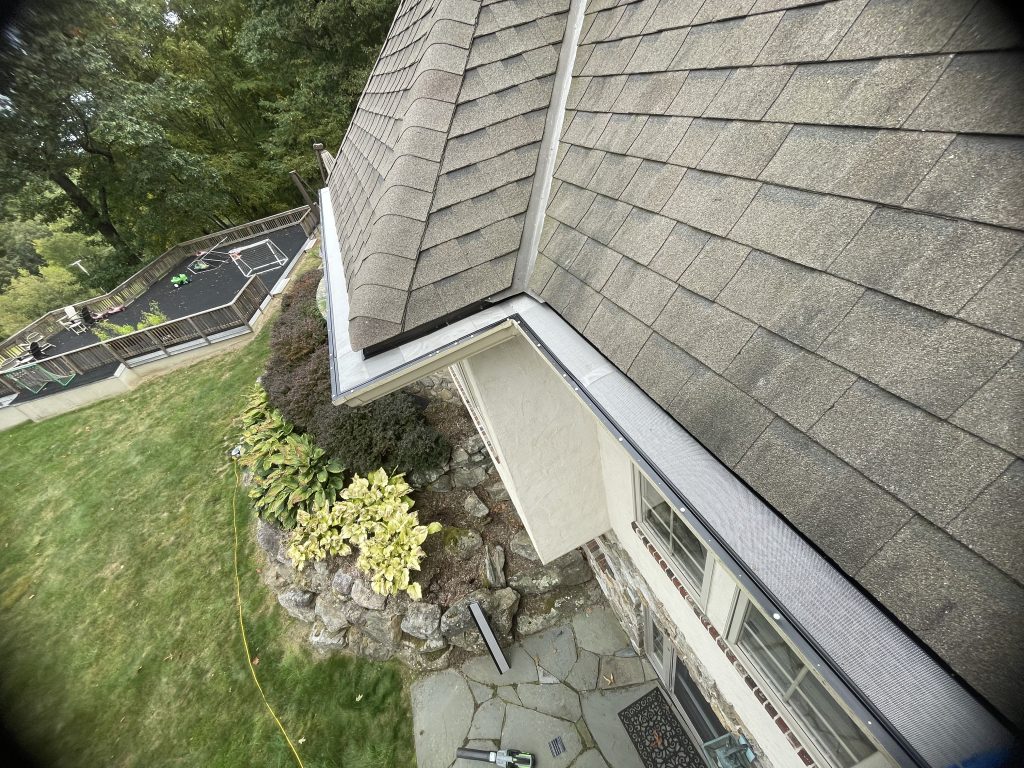
A clogged gutter rarely looks like an emergency. From the ground, it can seem like a minor housekeeping issue, maybe a weekend task that can wait until next month. Then the stains start creeping down the siding. The mulch trenches out during a hard rain. Ice forms at the roof edge in winter. A basement wall develops that damp, musty smell nobody wants to investigate too closely. What began as wet leaves in a trough turns into fascia rot, landscape erosion, roof edge damage, and water where it should never be.
That chain reaction is especially familiar in places like Hackettstown, where mature trees, seasonal storms, and winter freeze-thaw cycles all put gutters under steady stress. Homeowners tend to notice the dramatic failures, a section pulling loose, water pouring over the front entry, a downspout disconnected after a storm. The more expensive damage usually develops slowly. It is hidden in wood trim, behind siding seams, along the foundation line, or under shingles near the eaves.
Gutter cleaning is one of those maintenance jobs that does not feel glamorous because its best result is nothing happening. No overflow, no staining, no puddling, no rot, no repair bill. That quiet result is exactly the point.
Why neglected gutters create expensive exterior problems
Gutters are simple by design. They catch roof runoff, channel it to downspouts, and move water away from the house. When they stay clear and properly pitched, they protect almost every exterior surface below the roofline. When they clog, water stops following the path you paid for and starts making its own.
Overflow is the first obvious problem. Once leaves, seed pods, granules, and roof debris build up, water spills over the front edge or backs up under the shingles. Overflowing water repeatedly soaks the fascia board and soffit. On older homes, especially where paint is already aging, that moisture opens the door to wood rot. I have seen trim that looked merely weathered from the driveway but crumbled under light pressure once someone got on a ladder.
The second issue is concentration. Roof runoff carries force, especially during a heavy summer thunderstorm. If a downspout is blocked, or if water escapes in the wrong spot, it can dump gallons of water into a narrow strip of soil beside the foundation. That is how small washouts become major grading issues. It is also how basement seepage sometimes begins. Not every damp basement starts at the gutter line, but enough of them do that it should always be one of the first things checked.
Then there is winter. In Hackettstown, cold snaps after wet weather are not unusual. A gutter packed with debris holds water. That water freezes, expands, and adds weight. It also encourages ice to form along the roof edge, where trapped meltwater can work its way beneath shingles. Gutters are not the sole cause of ice dams, attic insulation and ventilation matter too, but clogged gutters make the situation worse and often accelerate damage.
Hackettstown conditions make timing matter
Every town has its maintenance patterns. In Hackettstown, the tree cover in many neighborhoods changes the equation. Oaks, maples, and pines each cause different kinds of buildup. Broad leaves mat together and create dense plugs. Maple helicopters and seed debris sneak into corners and elbows. Pine needles can pack tightly enough to slow drainage even when the gutter does not look fully blocked from below.
Spring cleaning helps after winter storms have dropped twigs and grit onto the roof. Late fall is usually non-negotiable, particularly after the last heavy leaf drop. Homes shaded by mature trees often need attention more than twice a year. A house with little tree cover may go longer, but even then, asphalt shingle granules, nests, and windblown debris can still choke the flow.
That is one reason the phrase Gutter Cleaning Hackettstown matters as more than a search term. The local weather pattern, vegetation, and age of many homes all affect how often gutters need service and what kind of trouble is likely to develop if they are ignored.
The repair bills homeowners rarely connect to clogged gutters
People usually understand that blocked gutters cause overflow. Fewer connect that overflow to the larger repair categories that follow. The costs climb quickly because water damages multiple materials at once. Wood swells, paint fails, fasteners corrode, soil moves, and mold finds damp pockets where air circulation is poor.
Fascia repair can become a carpentry and painting job rather than a simple touch-up. Siding stains may require more than washing if moisture has gotten behind panels or trim. Foundations can develop chronic wet zones around the perimeter that undermine plantings and invite settlement concerns. Even front steps and walkways take a beating when runoff repeatedly splashes and freezes in the same spots.
The worst part is that these repairs often seem unrelated at first. A homeowner may call someone for peeling exterior paint, only to learn the real problem began in the gutter system above. Or they may replace a section of landscaping twice before realizing one downspout keeps discharging too close to the bed during storms.
A modest maintenance visit is usually far cheaper than replacing rotted trim, repainting water-damaged siding, resetting gutters that pulled away under excess weight, or correcting drainage damage around the foundation.
What a proper gutter cleaning actually includes
A good cleaning is not just scooping out the visible debris and calling it done. The real objective is restored water movement from one end of the system to the discharge point. That means the entire path has to be checked.
At a minimum, the work should include removing compacted debris, clearing the downspouts, flushing the gutters to verify flow, and checking whether water drains cleanly away from the house. It should also include a visual look at hangers, seams, end caps, and pitch. You can remove every leaf in a gutter and still have problems if a section is sagging or a downspout elbow is partially clogged underground.
This is where experience shows. A trained eye notices the dark lines that suggest standing water has been sitting too long. It spots the small seam separation that leaks only during heavier rain. It recognizes when the issue is not debris at all but poor slope or an undersized downspout serving a large roof area.
Signs your home may already be overdue
Homeowners often ask when they should worry. Usually the answer is before visible failure, but several warning signs make the need pretty clear.
- Water spilling over the gutter edge during rain
- Plants or moss growing in the gutter channel
- Stains on siding beneath the eaves
- Sagging sections or loose fasteners
- Pooled water near the foundation after storms
One of the most telling signs appears after a rain has stopped. If a downspout continues to drip for an unusually long time, or one section of gutter seems to hold water while others have emptied, the system may be partially blocked or pitched incorrectly.
There is also a seasonal clue many people miss. Icicles forming only along certain sections can indicate trapped water in the gutter line. That does not prove a clog on its own, but it often points toward drainage issues worth checking before the next freeze.
The ladder question, and why safety changes the decision
Many homeowners are comfortable handling light maintenance, and for a single-story ranch with easy access, basic cleaning may be manageable. The risk profile changes fast on two-story homes, steep grades, uneven ground, or rooflines with multiple elevations. Gutters also tend to be slick with wet organic matter, and ladders become less forgiving when you are carrying tools, moving debris, and trying to keep your balance near landscaping or concrete walks.
Even people who are physically capable sometimes underestimate how tiring the work is. By the time you move, reset, and climb a ladder twenty times around a house, attention slips. Most falls happen during routine jobs, not dramatic ones.
Professional service is often less about convenience than risk management. An experienced crew comes with stabilizers, proper ladders, gloves, eye protection, and methods for clearing downspouts without denting or damaging the system. Just as important, they know when not to force a clogged section and how to identify hidden problems that might turn a cleaning into a repair recommendation.
When gutter guards help, and when they disappoint
Gutter guards are often pitched as a permanent fix. In practice, they are a tool, not a cure-all. On the right home, they reduce the volume of debris entering the trough and cut down on cleaning frequency. On the wrong home, or when installed poorly, they create a false sense of security while debris accumulates on top, in corners, or inside the downspouts.
Fine mesh systems generally handle leaf-heavy areas better than basic screens, but they can still collect pollen sludge, shingle grit, and tiny organic matter over time. Pine needles present their own challenge. They can bridge across some guard styles and slowly form a mat.
Guards make the most sense when the gutter system is already in good condition, properly pitched, and matched to the roof’s runoff demands. They are less effective as a way to avoid repairing a flawed system. If the gutters sag, leak at seams, or empty too close to the foundation, adding guards will not solve the underlying problem.
That trade-off matters for homeowners shopping for long-term savings. A good guard may reduce maintenance visits, but it does not eliminate inspections. Gutters still need to be checked, especially after severe weather.
The hidden connection between gutters and roof life
Roofing and gutter systems work as partners. When gutters clog, the lower roof edge stays wetter longer. Water can wick backward at the shingle edge, especially where debris forms a dam. Over time, that can affect underlayment, drip edge performance, and the roof deck near the eaves.
On older roofs, the danger grows because the shingles are already more brittle and less forgiving. During winter, backed-up water can freeze and lift the problem from nuisance to repair issue. Once moisture gets beneath roofing materials, what looks like a gutter problem may begin to show up as an interior stain or a soft roof edge.
That is one reason regular Gutter Cleaning Hackettstown service is often recommended as preventive roof maintenance, not just cosmetic upkeep. It protects the edge conditions where roofs commonly start to fail.
Why downspouts deserve as much attention as the gutters
A clear gutter with a blocked downspout is still a failing system. Downspouts are where many clogs become stubborn, especially at elbows and transitions. Small twigs, roofing grit, and decomposed leaf sludge combine into a dense plug that a casual hose rinse may not break apart.
The discharge point matters too. If the downspout empties beside the foundation without an extension or proper drainage path, the system is technically working but still exposing the home to risk. Water should be directed away from the house far enough to prevent saturation around the base. The exact distance depends on slope, soil type, and property layout, but the principle is straightforward. You want runoff dispersing away from the structure, not collecting near it.
This is also where many landscape conflicts show up. Decorative stone, flower beds, edging, and mulch can interfere with water flow if they trap discharge near the home. A gutter system cannot protect the foundation if its exit path has been blocked by well-meaning yard improvements.
A practical maintenance rhythm for local homeowners
There is no universal calendar that fits every house, but there is a workable pattern most owners can use as a starting point.
- Inspect in early spring after winter weather
- Clean in late fall after major leaf drop
- Add a midseason service for heavy tree coverage
- Check after severe storms with high winds
- Watch problem spots during the first hard rains
Homes near large oaks or pines often need more frequent attention than homeowners expect. By contrast, newer subdivisions with fewer mature trees may get by with less frequent cleaning, though they should still be inspected. The mistake is assuming that because the ground below the gutters looks clean, the channels above must be clear too.
A quick visual from the https://arthurojrl393.inkharbory.com/posts/how-gutter-cleaning-in-hackettstown-prevents-pest-problems ground is useful, but it is not enough to confirm that outlets and elbows are open. Many serious clogs hide where you cannot see them.
What professional crews notice that owners often miss
The value in professional service is not only debris removal. It is pattern recognition. Crews who work on gutters every day see the early signs that predict failure later. They notice the hanger pulling out because the fascia behind it is soft. They see splash marks that indicate water is jumping the gutter during intense rain. They catch the seam that leaks only when volume builds up near the downspout.
They also know how to distinguish symptom from cause. For example, repeated overflow at one corner might be a clogged downspout, but it could also be a pitch issue from gradual settling or a section twisted slightly after ice load. Reattaching a loose spike may buy a little time, but if the underlying wood is compromised, the repair needs a different approach.
That kind of judgment is difficult to replicate with a ladder, a bucket, and a quick afternoon.
Choosing service without overpaying for work you do not need
Home maintenance has a way of inviting upsells. Some are legitimate, some are not. The best approach is to look for companies that explain what they found in plain language, separate cleaning from repair recommendations, and can show you the problem areas if needed.
If a contractor says the gutters need replacement, ask why. Is the metal itself failing, or are there localized issues like loose hangers, bad pitch, or rotted fascia? Replacement may be warranted, especially for older systems with multiple leaks and chronic sagging, but many homes only need cleaning, minor resealing, and better discharge control.
It is also reasonable to ask how downspouts are cleared, whether flushing is included, and whether debris is bagged and removed. Those details tell you a lot about the thoroughness of the service.
The small maintenance job that protects everything below the roofline
Exterior home repairs are rarely cheap once water gets involved. Paint can be redone. Soil can be regraded. Trim can be replaced. Basement moisture can be mitigated. The common thread is that every one of those jobs becomes more expensive once damage has had time to spread.
That is why gutter maintenance deserves a higher place on the home care list than it usually gets. It is not merely a cleaning task. It is part of moisture control, structural preservation, and seasonal preparation. In a place with Hackettstown’s mix of tree debris, summer downpours, and winter freezes, neglecting gutters is often a gamble against conditions that tend to win eventually.
For homeowners looking to avoid preventable exterior repairs, Gutter Cleaning Hackettstown is not just another item to check off. It is one of the simplest ways to protect siding, trim, landscaping, foundations, and roof edges before small drainage problems become major construction bills.
When gutters are clear, water leaves the roof the way it should, quietly, efficiently, and without taking pieces of the house with it. That is the kind of maintenance result worth paying attention to, even when, from the ground, everything seems fine.
Just Gutters LLC
Address: 262 Main St, Hackettstown, NJ 07840
Phone number: +12013319454
FAQ About Gutter Cleaning Hackettstown
How much should a gutter clean cost?
Professional gutter cleaning typically costs between $163 and $333, with a national average of around $210 to $250 for a standard-sized home.
What months should you clean gutters?
You should clean your gutters twice a year—once in late autumn (November to December) and once in late spring (April to May).
Is it worth paying for gutter cleaning?
Yes, paying for gutter cleaning is worth it because it prevents thousands of dollars in water damage, roof leaks, and structural repairs.